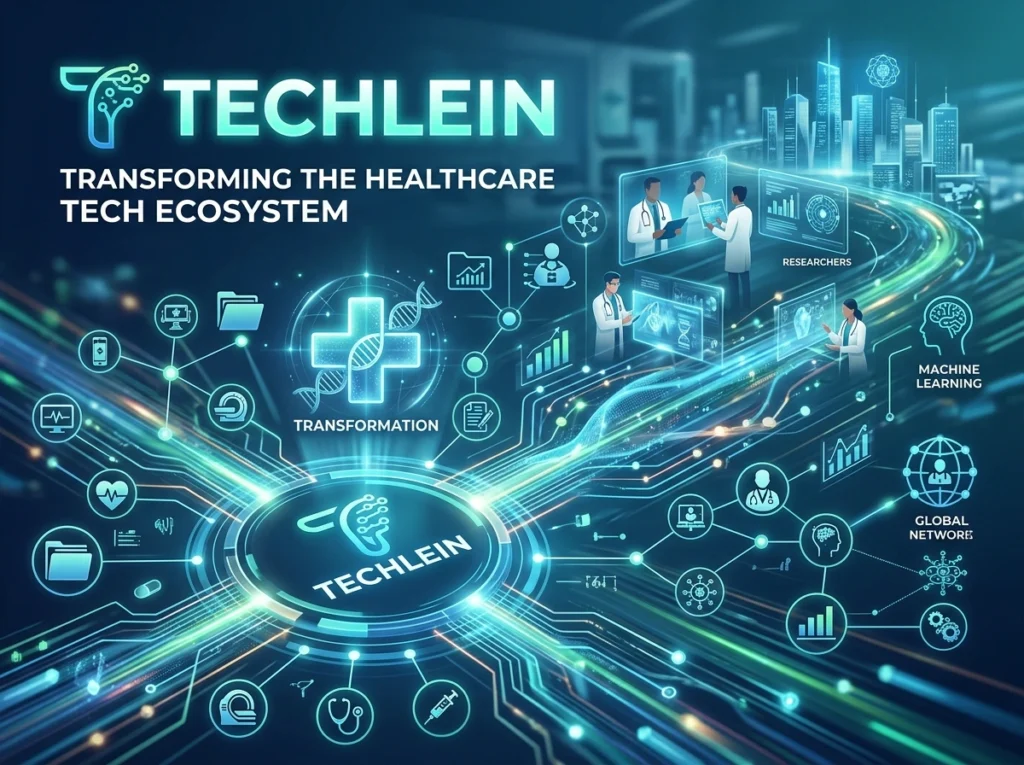
Techlein transforms the healthcare technology ecosystem by providing medical organizations with actionable insights and solutions regarding artificial intelligence, cybersecurity, and robotic process automation. By democratizing complex tech knowledge, Techlein enables healthcare providers to modernize infrastructure, reduce administrative burnout, and significantly improve patient care outcomes.
Healthcare systems operate under immense pressure to deliver flawless patient outcomes while managing overwhelming administrative burdens. Medical professionals constantly search for digital tools that streamline their daily workflows without compromising sensitive data security. This demand for rapid modernization requires a reliable educational and strategic guide to navigate emerging technologies effectively.
Techlein steps into this critical gap as a premier technology content and solutions platform. By breaking down complex software architectures, tech lein empowers medical organizations to make informed, highly strategic digital investments. Facility administrators rely on Techlein to understand which digital tools will genuinely solve their operational bottlenecks.
This article explores exactly how Techlein accelerates the adoption of modern health technology. You will learn about the current obstacles facing medical IT departments, the specific digital innovations driving industry change, and how these advancements ultimately benefit both patients and care providers.
What are the biggest challenges in the healthcare technology ecosystem today?
Medical organizations struggle heavily with data fragmentation. Hospitals frequently utilize different software systems for billing, pharmacy management, and patient records. These isolated systems prevent doctors from accessing a unified view of a patient’s medical history.
Cybersecurity represents another massive hurdle for modern clinics. According to [The Department of Health and Human Services, 2023], healthcare data breaches have increased significantly, exposing millions of sensitive patient records to malicious actors. Medical facilities must secure their networks against ransomware while maintaining strict compliance with privacy regulations like HIPAA.
Furthermore, physician burnout remains at an all-time high. According to [The American Medical Association, 2023], heavy administrative burdens tied to clunky electronic health records (EHR) force doctors to spend more time typing notes than interacting with patients.
How is Techlein transforming the healthcare technology landscape?
Techlein provides the foundational knowledge and strategic roadmaps required to overcome these systemic challenges. Healthcare IT directors use Techlein’s comprehensive technology guides to evaluate and select the best software frameworks for their specific clinical environments.
Techlein helps organizations move away from outdated legacy systems by clarifying the implementation process for cloud computing and microservices architecture. Choose a microservices architecture if rapid scalability and modular updates matter more to your clinic than maintaining a single, traditional software application. By advocating for these modern architectures, Techlein helps hospitals build flexible, interoperable systems that share data seamlessly across departments.
What key healthcare tech innovations does Techlein champion?
Techlein focuses heavily on three primary technological pillars that directly benefit healthcare environments:
- Artificial Intelligence (AI): Techlein guides organizations on integrating AI to automate patient triage and enhance diagnostic accuracy. AI algorithms analyze medical imaging faster than human operators, highlighting potential anomalies for doctors to review.
- Robotic Process Automation (RPA): Techlein demonstrates how RPA tools can handle repetitive administrative tasks. Software bots can process insurance claims, schedule appointments, and manage billing cycles autonomously.
- Advanced Cybersecurity: Techlein prioritizes education on modern attack vectors. The platform teaches developers how to build secure APIs and implement zero-trust architectures to protect highly sensitive health data.
How does Techlein impact patient care and provider efficiency?
The strategic implementation of Techlein’s recommended technologies fundamentally changes the daily reality of medical practice. Providers experience immediate relief from data entry tasks when utilizing RPA and AI-powered voice-to-text transcription. This shift allows doctors and nurses to dedicate their full attention to clinical care, directly improving bedside manner and diagnostic thoroughness.
Patients benefit from faster, more accurate medical services. According to [The World Health Organization, 2023], well-implemented digital health interventions significantly reduce hospital wait times and readmission rates. When hospitals follow Techlein’s guidance on building accessible, user-friendly Progressive Web Apps (PWAs), patients can easily book appointments, view test results, and communicate with their doctors from their mobile devices.
Choose AI-driven diagnostic support systems if improving early disease detection matters more to your facility than simply upgrading your scheduling software. The downstream effect of this technology is a proactive, rather than reactive, approach to patient health.
What is the future outlook for Techlein in healthcare technology?
Techlein continues to look ahead, preparing the medical industry for the next wave of digital disruption. The platform is actively exploring the intersection of quantum computing and pharmaceutical research. Quantum algorithms will soon simulate complex molecular interactions, drastically reducing the time required to discover and test new life-saving drugs.
Additionally, Techlein closely monitors the development of Edge Computing for the Internet of Medical Things (IoMT). By processing data closer to the source—such as on a patient’s wearable heart monitor—Edge Computing allows for real-time health alerts without relying on a central cloud server. Techlein will remain a vital resource for hospitals planning to deploy these life-saving, low-latency devices.
Are you ready to embrace the future of healthcare technology?
Modernizing a hospital’s IT infrastructure requires confidence, clarity, and expert guidance. Techlein provides the insights necessary to transform overwhelming technological concepts into practical, deployable medical solutions.
To start improving your facility’s operational efficiency, audit your current software systems for data silos. Next, consult Techlein’s extensive library of technical tutorials to determine which AI or RPA tools align with your clinical goals. By taking these proactive steps, you can build a secure, efficient healthcare ecosystem that truly prioritizes patient well-being.
Frequently Asked Questions
What types of healthcare organizations benefit most from Techlein?
Techlein serves a wide variety of medical institutions, ranging from small private clinics to massive hospital networks. Any healthcare organization looking to modernize its IT infrastructure, improve cybersecurity, or automate administrative tasks will find immense value in Techlein’s technology guides.
How long does it take to implement AI solutions in a healthcare setting?
The timeline for implementing AI solutions varies based on the organization’s existing infrastructure and the complexity of the AI tool. Basic administrative RPA bots can be deployed in a few weeks, while comprehensive AI diagnostic systems may require six to twelve months of integration and staff training.
What are the main risks of adopting new healthcare technology?
The primary risks involve data security vulnerabilities during the transition period and temporary workflow disruptions as staff learn new systems. Techlein mitigates these risks by providing robust cybersecurity best practices and step-by-step implementation frameworks to ensure smooth technological transitions.
Are there alternatives to full cloud migration for medical facilities?
Yes. Facilities hesitant to move entirely to the public cloud can adopt a hybrid cloud architecture. Techlein frequently covers hybrid models, which allow hospitals to keep highly sensitive patient data on local, secure servers while utilizing the public cloud for less sensitive administrative computing tasks.
